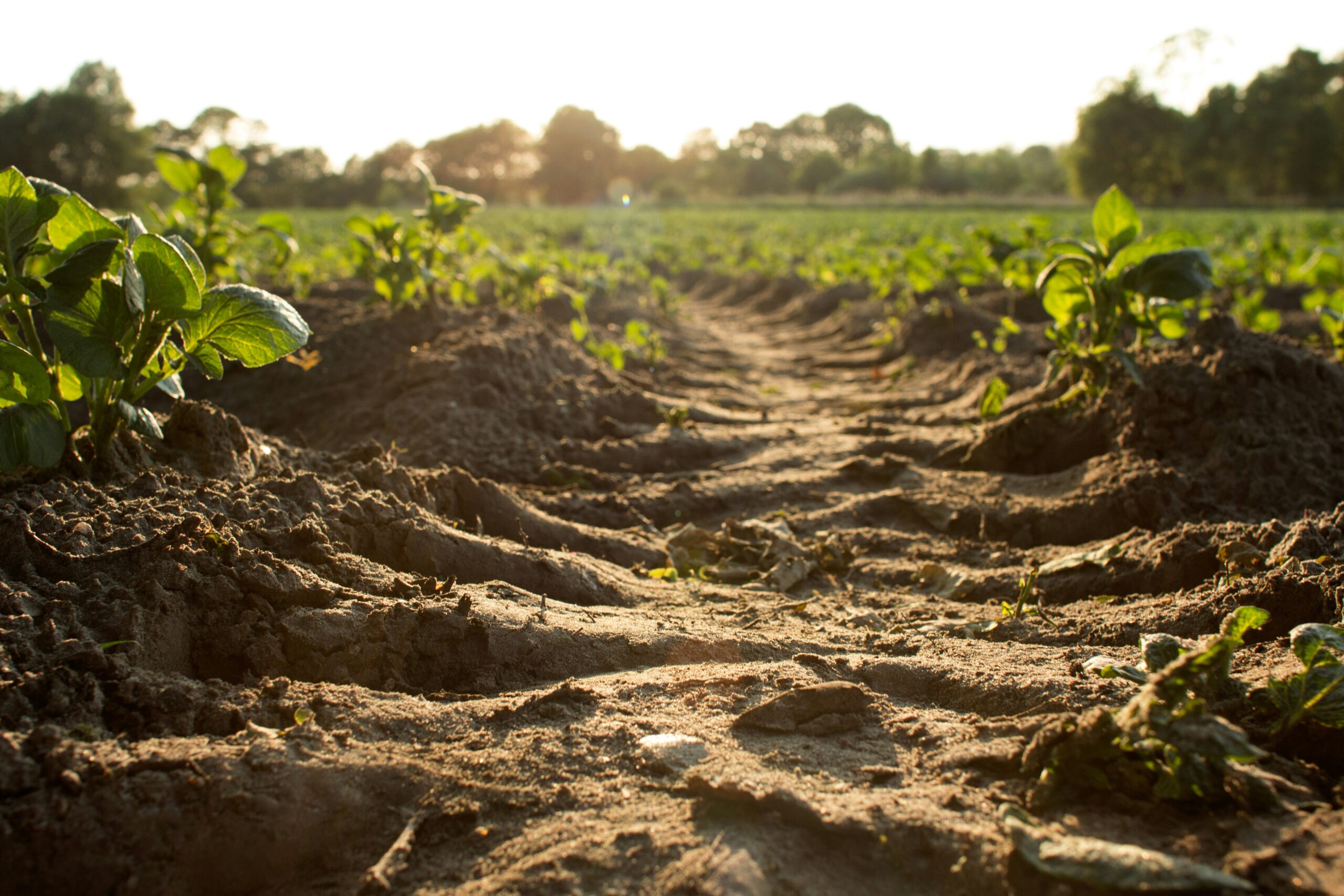
In 2022, the Sahel endured its worst drought in forty years, pushing over 18 million people into severe hunger. Yet during the same period, only a fraction of Africa’s climate finance went to adaptation, and even less reached the smallholder farmers who grow most of the continent’s food. This gap between rhetoric and reality is not just a policy failure. It is an active threat to stability.
As someone who has worked with rural communities to plant thousands of trees, restore degraded land, and train women in sustainable farming, I see this fracture every day. I’ve stood in villages where farmers pray for rain while their crops wither, and I’ve watched promising harvests rot for lack of storage. The question is no longer whether the climate is changing, but how fast our institutions will adapt to prevent farmers from endlessly chasing unpredictable rains.
The Mirage of Growth
We often hear that African agriculture is growing. Maize yields are rising, and the African Development Bank reports sector growth. But this is a dangerous mirage. In Côte d’Ivoire, the world’s largest cocoa producer, farmers earn less than a dollar a day. In Nigeria, despite billions spent on subsidies and import restrictions, rice prices have tripled since 2015, and loan defaults have soared. Growth measured in tonnes, rather than farmer income and climate resilience, is a house of cards waiting for the next drought to blow it down.
Nigeria’s rice paradox is instructive. Production increased by more than 60 percent in recent years, yet domestic supply still falls millions of tonnes short of demand. Why? Import bans without investments in storage, processing, or rural roads create artificial scarcity. Farmers produce more but earn less because post-harvest losses swallow up to 40 percent of output. I’ve seen this firsthand: farmers selling grain at giveaway prices because they lack warehouses, while urban markets pay triple weeks later. The lesson is clear, output growth without systemic resilience-building is futile.
The Financing Paradox
Less than 3% of bank loans in Africa go to agriculture. A sector that employs six in ten Africans. But the problem isn’t just miserly banks, it’s structural risk. Smallholders often lack formal land titles for collateral, operate in fragmented markets, and face climate volatility. From a lender’s perspective, that’s a perfect storm.
Yet the irony is glaring: Africa spends $40 billion annually importing food. Every dollar lent to a farmer for irrigation or processing is an investment in food sovereignty. The solution is not to scold banks, but to de-risk the sector, through three transformative shifts.
First, blended finance. Public funds should absorb first-loss positions in portfolios of loans for climate-smart agriculture. This model has already unlocked hundreds of millions in private capital with low default rates. I’ve seen how even modest guarantees can change a bank manager’s attitude from “too risky” to “let’s talk.”
Second, digital land registries. Formalizing customary land rights turns land into collateral. Ghana’s digitization initiative is a template for scaling this across the continent. In villages where I’ve worked, farmers often hold ancestral land but no papers. Technology can bridge that gap.
Finally, warehouse receipt systems. When farmers store produce in certified warehouses, receipts become assets for securing loans. Kenya’s experience shows this stabilizes incomes and breaks the cycle of distress sales. Pair this with climate-indexed insurance automatic payouts when rainfall fails, and you have a blueprint for resilience at scale.
From Blanket Subsidies to Smart Resilience
Nigeria’s experience underscores a vital lesson: we must subsidize resilience, not just production. Instead of pouring money into chemical fertilizers, support should bundle drought-tolerant seeds, soil conservation training, and climate insurance. This builds farmers’ capacity to withstand shocks.
Africa’s landscapes hold untapped potential for agroforestry and nature-based solutions. Faidherbia albida, a nitrogen-fixing acacia, can double maize yields while sequestering carbon. Bamboo grows without irrigation and regenerates degraded soils. Ethiopia’s bamboo industry has already created thousands of jobs. Shea trees thrive in semi-arid zones and power a $600 million industry that benefits women. These are not abstract “green initiatives.” They are agricultural strategies that deliver economic, environmental, and resilience dividends.
I’ve walked through fields where farmers interplant acacia with maize and watched the soil come alive again. I’ve seen women’s cooperatives turn shea nuts into income streams that pay school fees and buy solar lamps. These are the quiet revolutions that rarely make headlines but hold the key to Africa’s future.
Inclusion Is Economic Logic
Women produce up to 80 percent of Africa’s food, yet own less than 15 percent of land. When they have secure access to resources, yields rise by as much as 30 percent. Policies co-designed with women’s cooperatives consistently outperform top-down programs because they reflect lived realities. Indigenous communities, too, hold agroecological knowledge honed over centuries. Excluding them is not just unjust: it’s inefficient.
In my work, I’ve seen how a single training session on soil conservation can transform a village’s fortunes, when women lead it. Inclusion is not charity, it’s the smartest investment we can make.
The Path Forward
Africa does not need a future invented in conference halls. The blueprint for a climate-resilient food system is alive in its farmers, landscapes, and communities. Our task is to build the financial and policy bridges to make this potential real.
That means shifting metrics from production tonnage to farmer income and ecosystem health. It means seeing smallholders not as risks to avoid, but as opportunities to catalyze. And it means international partners must stop viewing Africa through the distorting lens of macroeconomic statistics and engage with ground realities.
The battle for food security will not be won by chasing rain, but by investing wisely in the people and practices that can thrive without it. The harvest is ready. We need only the vision to reap it.
We roast sacred cows medium-rare. Help fund the habit!
This piece reflects the author’s views, not necessarily the entire magazine. We welcome a range of pro-liberty perspectives. Send us your pitch or draft.