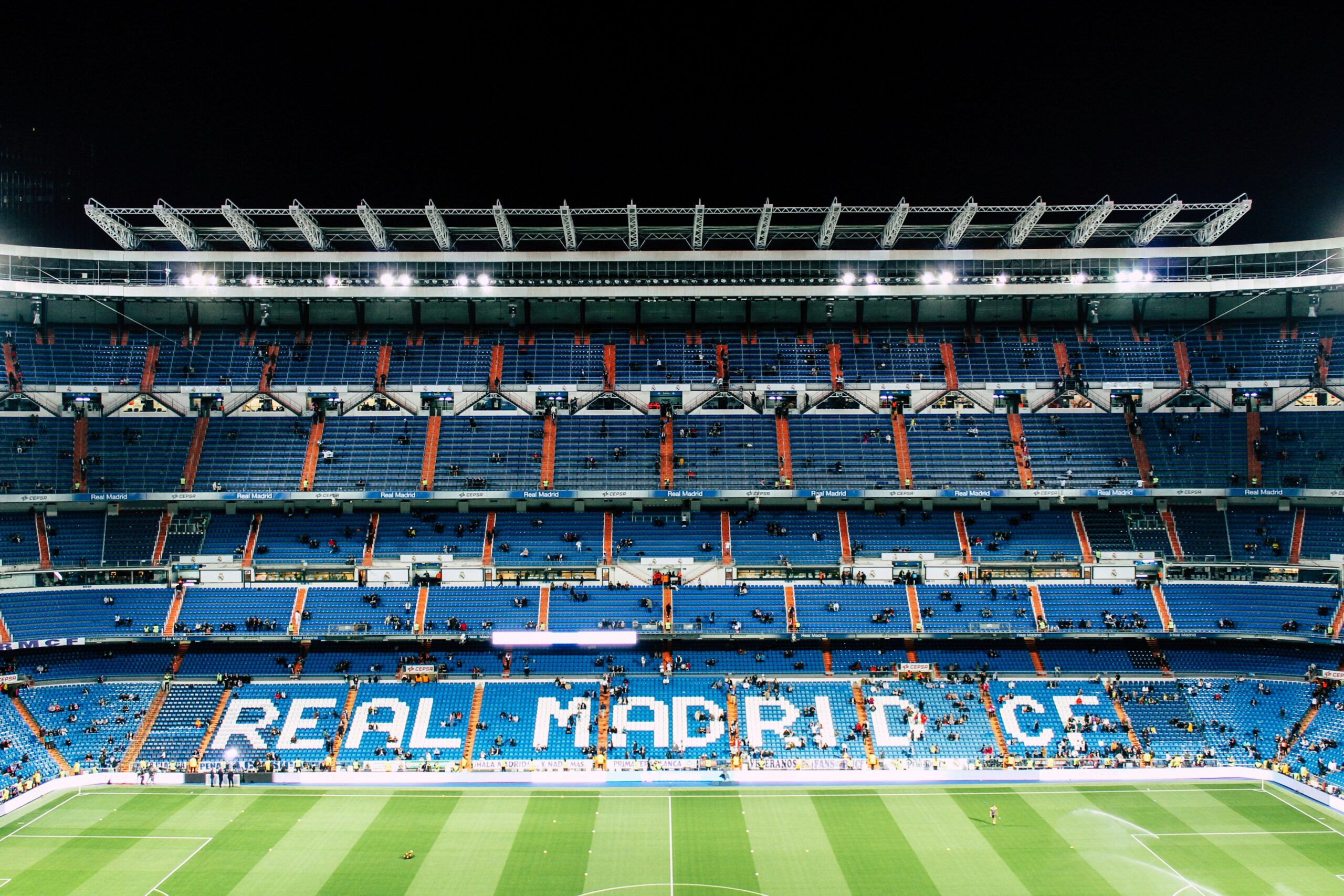
At Real Madrid’s general assemblies, Florentino Pérez asserts that the club “belongs to its socios”. However, there is a paradox here. While Pérez emphasizes the importance of supporters in the club’s decision-making, the reality often seems to tilt towards the influence of powerful individuals and financial interests.
For example, the decision-making process for major player acquisitions or managerial appointments frequently appears disconnected from the wider voice of the socios. Furthermore, the financial policies that govern the club’s operations can sometimes prioritize immediate success over long-term sustainability, which may not necessarily align with the values held by the loyal supporters. This contrast between the rhetoric of inclusivity and practice raises questions about the true power dynamics operating within one of the world’s most iconic football clubs.
How Madrid Is Actually Governed
Real Madrid’s ownership model is often viewed as a promising alternative to the challenges of modern football’s oligarchy. The club’s approach, where it “belongs to its socios” and is governed through elections, is admirable. However, genuine competition and effective checks on power are lacking. Despite being member-owned, the centralized structure has enabled Florentino Pérez to maintain significant control over the club for much of the 21st century.
Presidential candidates are required to secure a bank guarantee equal to about 15% of the club’s budget, which translates to guarantees exceeding €100 million. When compared to the average socio income, this condition is clearly exclusionary and discourages potential challengers, resulting in limited competition. This leaves socios with mostly symbolic influence. As one representative noted, while Pérez addresses the socios, their ability to effect change remains limited, leading to disengagement.
The club’s lack of checks and balances is significant. Since the sporting director role was removed in 2010, key football decisions have become increasingly centralized at the executive level. Coaches often operate under conditional mandates, affecting team morale and dynamics.
Centralized control also shapes sporting policy, often resulting in high-profile signings and rapid managerial changes that provide only short-term success. When challenges arise, the response is typically to replace the coach rather than pursue systemic improvements. The paradox is clear: a club owned by many, yet governed in a royal-like manner.
The Alonso Case
This pattern shows up most when the club tries to run a “project”. The Alonso episode is a case study in what centralized governance does under stress: it treats a coach as a variable to swap, while the structure that produced the problem stays untouched. Xabi Alonso’s appointment in the summer of 2025 was celebrated as a reunion with a Champions League winner and modern coach, introduced by Florentino Pérez as an elite talent connected to Madrid’s legacy. However, Alonso soon faced a challenging environment. Although supported by José Ángel Sánchez, he did not have the same trust Pérez had shown to previous managers, such as Zidane and Ancelotti. In a centralized structure, a coach without strong backing faces significant challenges.
Alonso sought to instill discipline by emphasizing punctuality, rigorous training, and detailed video analysis. However, he met resistance from a team used to a more flexible approach to authority. A key moment came when Alonso considered benching Vinícius Júnior for an important match, leading to a public display of frustration during the October Clásico that undermined his position.
As tensions rose, Alonso’s influence diminished, compounded by reports of discontent in the locker room. The nickname “la guardería” (the daycare) emerged, reflecting his struggle to professionalize the team’s culture. His efforts to instill discipline were further undermined by a lack of leadership support, especially after the Vinícius incident, which many saw as a sign of weakness.
By January 2026, after a Super Cup loss to Barcelona, Alonso left the club with dignity but also frustration over his limited authority and the sense that the project was never truly his. In tightly controlled institutions, individuals can become scapegoats, valued only until they are seen as inconvenient. Previous cases, such as those of Julen Lopetegui and Santiago Solari, illustrate this pattern: managers were quickly replaced after short tenures without addressing deeper issues. There is a clear tendency within the club’s culture to pursue quick fixes rather than address underlying structural issues.
Why This Was Predictable: A Libertarian Institutional Critique
Alonso’s departure from Real Madrid demonstrates how a centralized structure shapes outcomes. In this system, decisions are concentrated in a single office, often leading to reactive measures such as firing the coach when problems arise. While this may protect leadership, it creates instability and fails to address deeper issues.
Real Madrid is a perfect example of how the knowledge problem plays out in centralized decision-making. Regardless of a president’s talent, the complexities of team management, such as locker-room dynamics, tactics, and player morale, are best understood by coaches and technical staff.
Take for example software communities, where dispersed knowledge enables innovation and improvement. In the tech industry, open-source models have consistently demonstrated that collective input from diverse contributors often yields superior, more adaptable solutions than traditional top-down control.
A more decentralized approach at Real Madrid would empower individuals to make informed decisions rather than operate in a politically charged environment under media scrutiny. Pérez’s focus on trophies sets a high bar for immediate success but often results in quick fixes rather than sustainable solutions. This cycle repeats as managers change, yet underlying structural issues persist.
Player power also increases in this environment. When players see the manager as temporary, their motivation to embrace the team’s vision declines, leading to a reluctance to meet standards. This centralization undermined Alonso’s vision for a cohesive system.
Ultimately, Real Madrid functions more like an absolutist regime than a collaborative club.
What Should Replace It
To address the socios-versus-sovereignty paradox, Real Madrid should embrace change and foster collaboration. Structural decentralization can empower those closest to football operations and ensure balanced checks on presidential power. Implementing member referenda on critical decisions, such as budgetary allocations and strategic plans, could enhance engagement and transparency. Establishing term limits for leadership positions would prevent power consolidation and encourage fresh perspectives. Additionally, creating independent oversight committees responsible for ethical governance and transparent decision-making processes could further democratize the club’s operations.
First, establishing an independent sporting directorate with real authority is essential. This team should oversee squad planning, recruitment, and youth integration. This structure enables the coach to focus on leading the team, rather than reacting under pressure.
Second, coaching authority should be clearly defined and protected to ensure that a manager’s decisions are respected and supported. This protection provides psychological safety, encouraging bold and innovative tactics. Trust in leadership enables everyone to rally behind a shared vision for success.
Finally, making member ownership meaningful is vital. Lowering barriers to participation, enhancing transparency, and ensuring members’ influence on key decisions will foster accountability and reinforce authority. Providing socios with seats on the board could further democratize decision-making processes and ensure their voices are integral to governance. Creating channels for regular feedback and dialogue between socios and club leadership will deepen engagement and trust. Decentralizing power promotes growth and strengthens the Madrid legacy.
Conclusion
Real Madrid stands at a crossroads, debating whether to maintain centralized control or embrace a more democratic model. Xabi Alonso’s recent coaching experience shows that as long as one person holds ultimate authority, the club will alternate between success and turmoil, undermining long-term strategies.
The Bernabéu Stadium, the White House of football, deserves governance that matches its stature. For legends like Xabi Alonso to thrive, the club must nurture their potential. Bridging the gap between socios and the presidency is essential for sustainable success and aligning the club’s history with its future.
We roast sacred cows medium-rare. Help fund the habit!
This piece reflects the author’s views, not necessarily the entire magazine. We welcome a range of pro-liberty perspectives. Send us your pitch or draft.