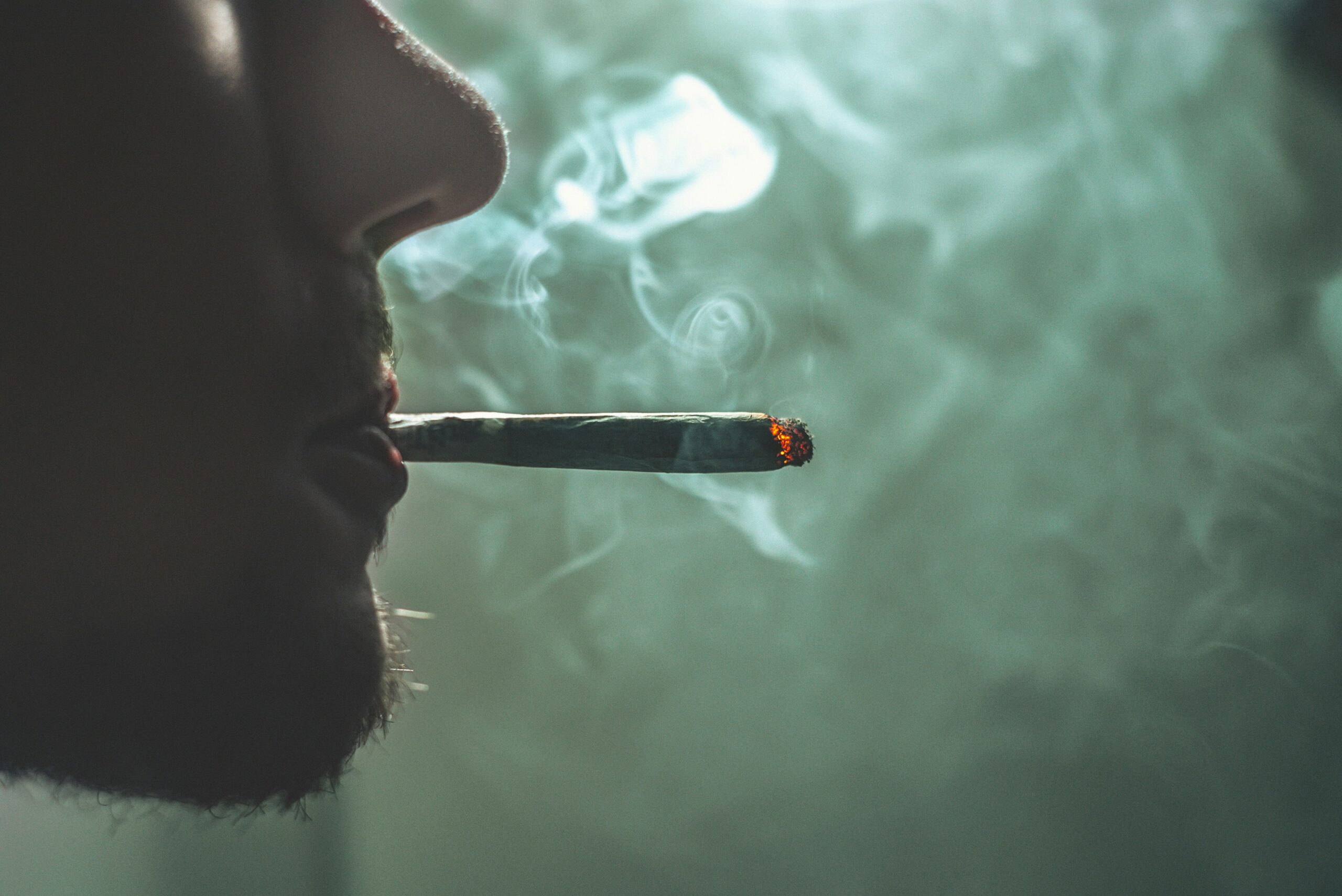
Hungarian prosecutors are seeking a custodial prison sentence for a fashion designer, along with a disqualification from public affairs. This appeal — following an initial suspended sentence — is not for dealing drugs, but for possessing them. Some may speculate whether his case has anything to do with his previous oppositional activity. However, regardless of whether that is the case or not, no one should face prison for the mere possession of drugs.
Under the Hungarian Penal Code, the basic offense of drug possession is punishable by two to eight years in prison. While minor cases are typically diverted to mandatory treatment, recent tightening has limited this to twice in a lifetime and made it conditional on identifying one’s dealer. For those ineligible for treatment — often because the quantity exceeds the legal ‘small amount’ threshold — the process typically results in a criminal record, fines, or suspended sentences. Yet, as seen with the designer, prison is on the table for simple possession.
While in France, a year-long sentence is formally on the books, possession is now primarily settled with on-the-spot fines. Germany went further by partially legalising cannabis in 2024. For other substances, minor cases are still frequently dropped by prosecutors despite remaining technically criminal. Similarly, in the UK, while possession can formally lead to several years in prison depending on the drug’s classification, police increasingly rely on diversion schemes. For example, offering support or education instead of a criminal record for minor, first-time offences.
A crucial foundation of Western civilisation is private property. This is hard to imagine without having control over your most fundamental property, the one that allows you to acquire and use anything else: your own body. We can hardly talk about any kind of freedom when you don’t have full control over yourself.
Obviously, your freedom ends when someone else’s starts. The libertarian non-aggression principle (NAP) puts this straight. Forceful interference with an individual, their property, or their agreements should be prohibited. That is why we need laws and the state to enforce them. However, it is your natural right to make bad decisions as long as it doesn’t harm anyone else.
While I don’t suggest it, if you want to ruin your health, you should be free to do so. Current laws reflect this to some extent: while there are strict rules on where you can drink or what activities you can perform afterwards, there is no legal limit on the quantity of even the strongest spirits you may choose to consume. By contrast, although cannabis is being legalised or decriminalised in an increasing number of countries, the possession or use of small amounts remains illegal in many places.
If you commit any violent crime, it is punishable, and it should be, no matter what you consumed before. And indeed, some – legal or illegal – substances may cause you to engage in dangerous and violent behaviour. However, as alcohol isn’t banned because drunk drivers exist, it doesn’t justify policing what you consume.
Addicts need medical help, and violent attackers should be caught, whether they were high, drunk, or sober. But if someone uses some harmful substances at their own risk and doesn’t harm anyone, they should be left alone. And limited police resources shouldn’t be wasted on so-called victimless crimes.
Some might argue that since we live in a society, your actions don’t only affect you. This is true to some extent, since drug and alcohol abuse cause massive harm to families and society. The question is to what extent the state should police everyone’s lifestyle to prevent that. Alcohol has been demonstrated to be a contributory factor to domestic violence, and it is still legal.
And the fact that something can be abused is not sufficient on its own to justify criminalisation. The solution is not to put people in jail for consuming something, but to have functioning social systems that could prevent and handle domestic violence, and an education system that prevents people from being sidelined by helping social mobility and providing people with a sense of direction.
Others might argue that in tax-funded healthcare systems, self-destructive behaviour causes additional expenses for society. This is true to some extent, although the overall social cost is more complex than it may seem. However, it is not limited to currently illicit intoxicants.
Ultimately, this becomes a philosophical question. What are the roles of the law and the state? Is it supposed to save adults from themselves and their own poor decisions? And if you think so, where would you draw the line? Marijuana? The so-called hard drugs? Alcohol? Smoking? Too much sugar consumption? Too few sports activities?
However, if we can agree that the core function of the law is to ensure peaceful coexistence, it means we must accept that some people will make wrong decisions about their own lives, and some may even decide to harm themselves.
Don’t get me wrong, I’m not saying that societies don’t have anything to do with these issues. There should be laws and systems prioritising risk management for anything intended for human consumption. There should be quality assurance systems and safety standards. And there should be an honest conversation about addictions and self-destructive behaviour instead of tabooing and simplistic prohibition.
And while at the end of the day, family, friends, and broader communities should advise you how to live your own life, it’s clear that not everyone is lucky enough to have these safety nets. So state institutions do have roles. They should finance prevention that actually works, they should run harm reduction programmes, and the healthcare system has to help you quit addictions and provide you with care without the fear of getting into legal trouble.
This is not to say that even decriminalisation is without risks and challenges. As Oregon’s recent experience and subsequent reversal have shown, it requires careful design and complementary policies. But imprisoning someone solely for harming themselves is just morally wrong.
Photo Credit: GRAS GRÜN on Unsplash
Good reporting is cheaper than heavy-handed regulation. Support freedom and independent journalism by donating today.
This piece reflects the author’s views, not necessarily the entire magazine. We welcome a range of pro-liberty perspectives. Send us your pitch or draft.