
On Roatán, a Honduran island in the Caribbean Sea, lies Próspera ZEDE.
Próspera promises a different way of organising a city, built around individual choice and contractual governance. But who will actually be able to build a life there?
Known for attracting investment from figures including Peter Thiel and Balaji Srinivasan, Próspera’s co-founder and CEO, Erick Brimen, has described his approach as creating “pockets of stability” intended to generate opportunities for the local population.
Próspera is often described as an experimental libertarian city. But what makes it distinctive is not simply its low tax rates. It is the idea that individuals should be able to choose a system of governance voluntarily and participate in it through contractual agreements.
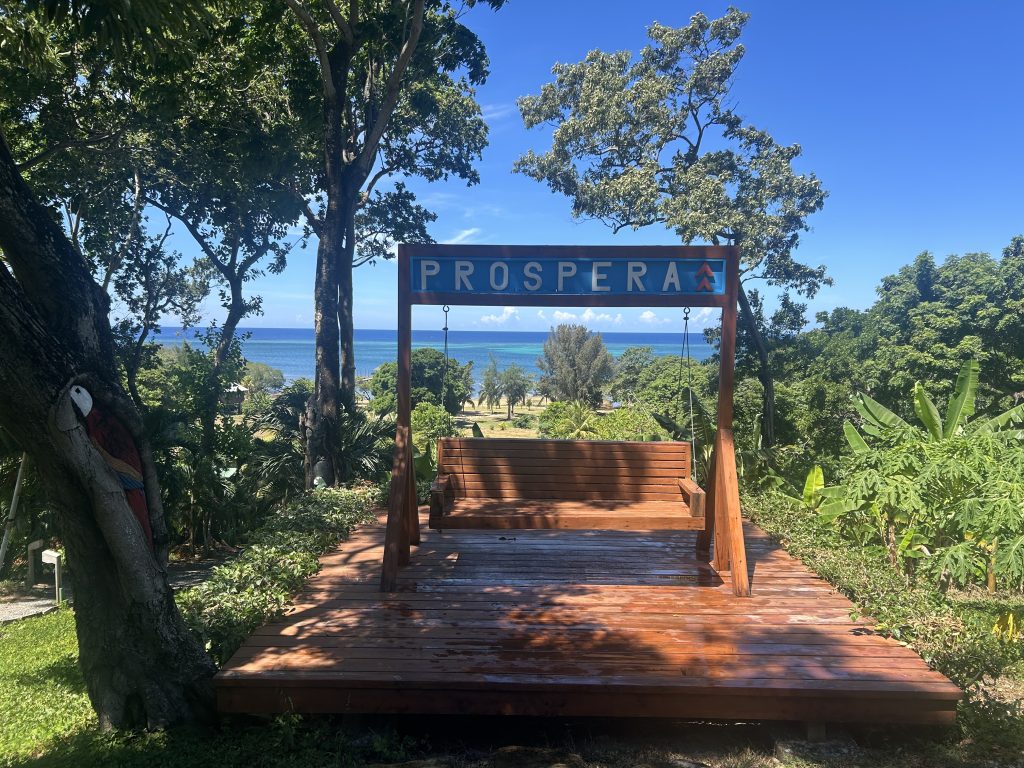
Prospective residents of Próspera enter into an agreement known as the Agreement of Coexistence. It sets out residents’ rights and obligations, as well as the services the governing authority provides. Rather than relying solely on the traditional relationship between individuals and the state, Próspera seeks to establish a model in which people can choose a system of governance that suits them and participate in it by mutual agreement.
Yet contractual freedom does not necessarily mean everyone can exercise that choice in practice. Living or starting a business in Próspera requires resources, employment opportunities, and often language skills. Moreover, Próspera’s legal status remains the subject of a dispute with the Honduran government.
Nevertheless, some entrepreneurs see opportunities in the choices offered by this system and have begun building businesses there.
One of them is Ivan Syrtsov, an entrepreneur from Ukraine.
He is involved in three ventures: Builders Node, an entrepreneurial community; Darien Village, a property development project within Próspera; and EverySub, a service providing everyday essentials such as meal deliveries and cleaning.
Who Is the City Being Built For?
One of Próspera’s most recognisable buildings is Duna Tower, a 14-storey mixed-use development. It contains residential apartments, offices, coworking spaces and a swimming pool, bringing work and daily life together within a single building.
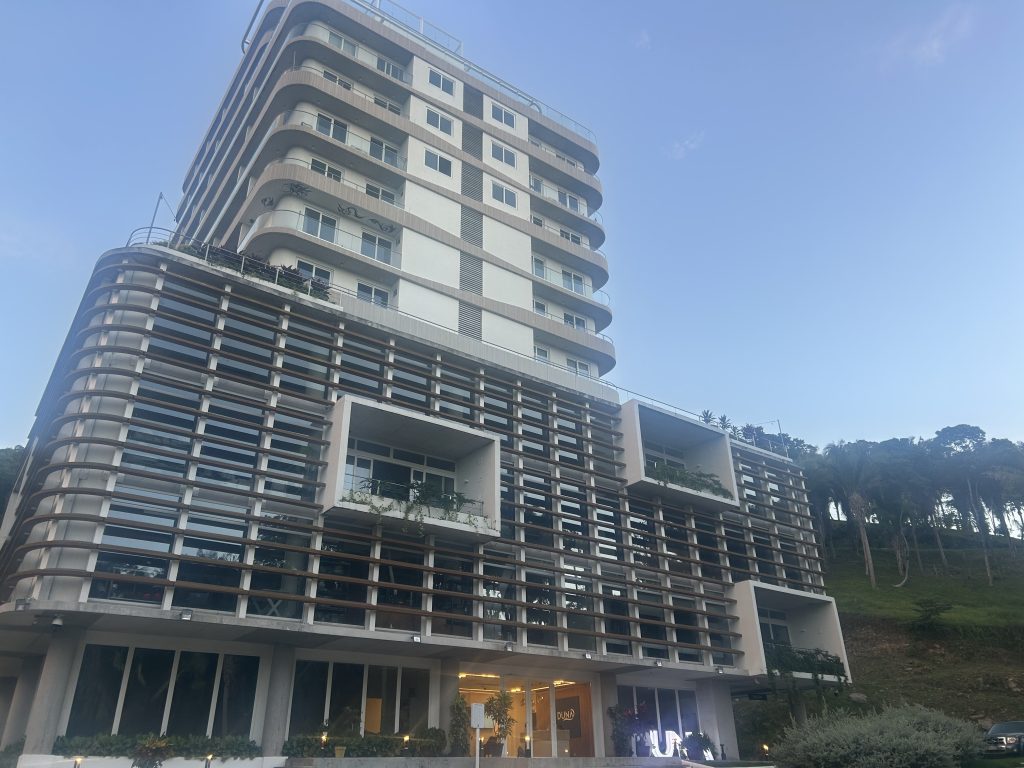
Yet step outside, and the surrounding infrastructure is still developing.
When I stayed there in October 2026, the area within walking distance of Duna Tower included a small hostel, a restaurant and tents used for events. Meanwhile, reaching Pristine Bay, the luxury resort area frequently featured in articles and promotional videos about Próspera, required a car or a pre-booked shuttle bus.
Próspera ZEDE does not consist entirely of contiguous land. Approximately 130 hectares of Pristine Bay have also been incorporated into the ZEDE, meaning that its jurisdiction is not concentrated in a single location on Roatán.
Although the project envisions a city under a common governance framework, its practical living areas remain geographically dispersed.
On a Saturday afternoon, Ivan arrived at the coworking space in Duna Tower. He looked somewhat different from the image I had formed of someone who had founded several ventures.
With soft blond hair and casual clothes, he was a striking young man who would not have looked out of place spending an evening with friends in a fashionable city bar or nightclub.
Yet here he was, trying to help build a city whose legal future remained uncertain.
Próspera has faced criticism for being a place designed primarily for wealthy foreigners and investors. But Ivan’s ventures reveal another dimension of the project: the practical work of making a city liveable.
One of them is EverySub.
EverySub provides subscription-based services, including meal deliveries, apartment cleaning and car washing. According to Ivan, EverySub employed six people at the time of our interview: two in meal services, three in cleaning and one in car washing. He said the business had generated approximately $11,000 in revenue.
During my own stay at Duna Tower, I struggled to find reliable access to food.
There were few conventional grocery shops within walking distance, and the small unmanned shop inside the building was not sufficient for everyday meals. Considering the cost of eating out or travelling elsewhere, having affordable food delivered with EverySub was the only realistic option at hand.
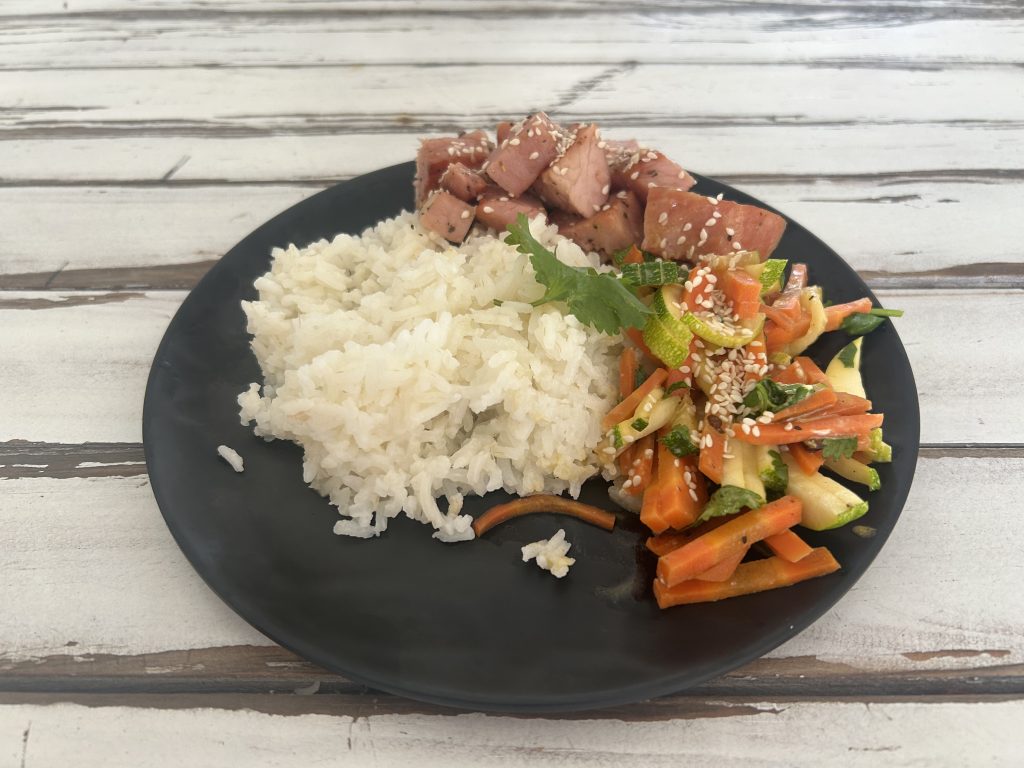
My subscription cost $45 for seven meals a week, one meal a day. The portions were generous, and the food was decent. Not having to worry about arranging meals every day also made my stay a good deal easier.
Building a libertarian city also requires thinking about such basics as food and water.
However attractive a city’s tax system or regulatory framework may be, its residents still need food, clean homes and ways to get around. A city cannot function through legal institutions alone.
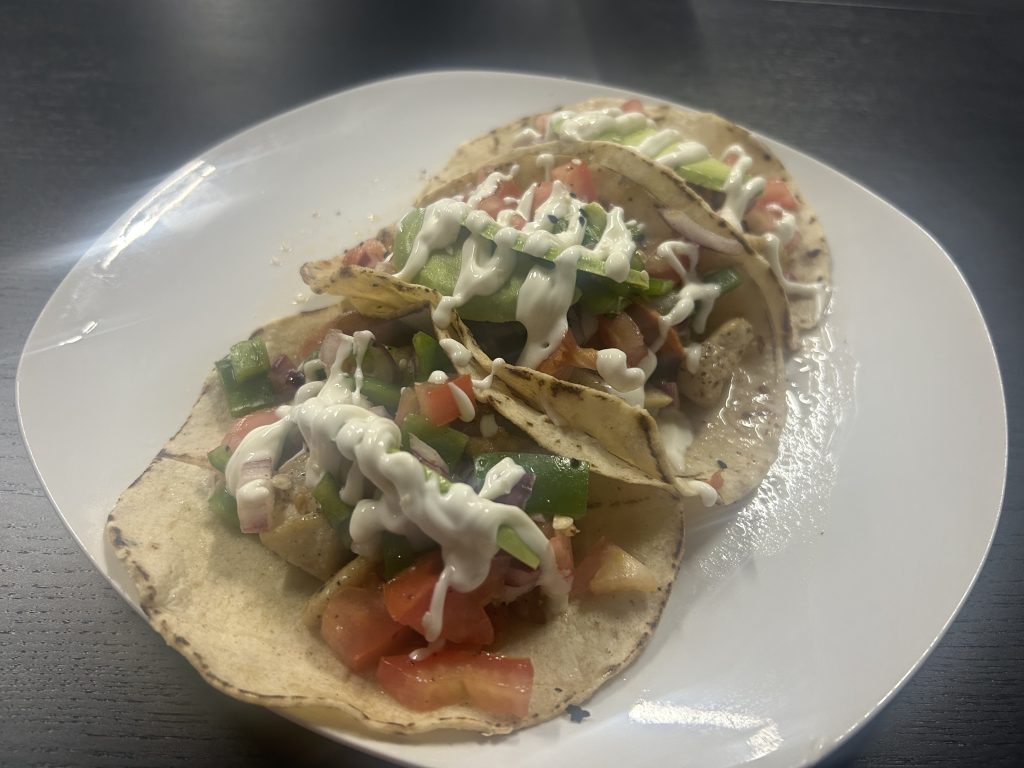
EverySub is an attempt to turn these everyday necessities into a viable business.
Its approximately $11,000 in revenue may seem modest compared with the large investments that often attract attention in Próspera. Yet EverySub provides services that people living there need every day.
Ivan’s interests extend beyond establishing companies that take advantage of Próspera’s regulatory framework. He is also concerned with creating the practical conditions that allow people to live there.
His three ventures address different aspects of urban life. Builders Node seeks to attract new entrepreneurs, Darien Village aims to develop housing for them, and EverySub provides everyday services such as meals and cleaning.
During our interview, Ivan explained that he also hopes to generate demand for housing through Builders Node and connect that demand to Darien Village’s property development plans.
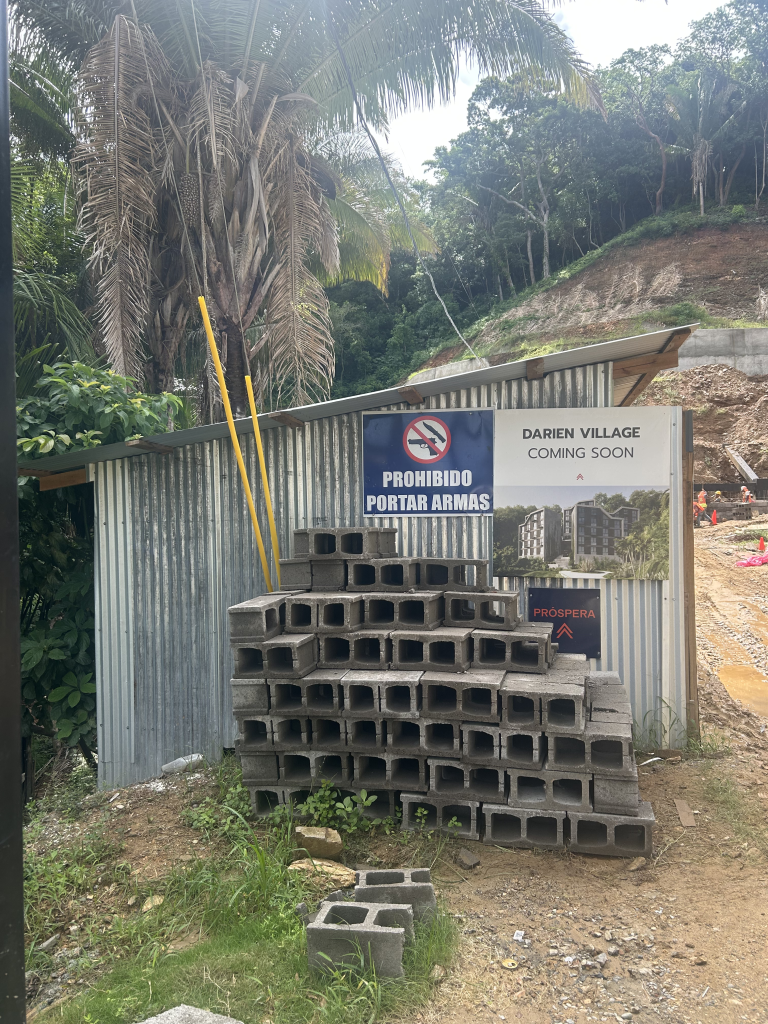
He is trying to do more than simply run a number of businesses. By bringing people in, providing housing, and meeting their everyday needs, he hopes to create a place where they can put down roots and make a life for themselves. Ivan believes that one important distinction between Próspera and conventional special economic zones is the possibility for individuals, rather than only companies, to benefit from its institutions.
In his view, individuals in Próspera can also benefit from relatively low taxes and a regulatory environment that makes it easier to establish businesses. He also argued that Próspera’s framework includes mechanisms intended to encourage the employment of Hondurans, potentially bringing benefits to the wider local economy.
However, even if a regulatory framework stimulates business activity, that does not automatically eliminate economic inequality. Ivan described a sharp divide between wealthy and poor residents on Roatán, saying that the two groups rarely interact. Wealthier residents, he observed, often live in gated communities or villas. He insists that his ambition is not to develop an exclusive residential enclave for the wealthy.
“What we’re trying to build here is a city,” he said. “It’s not a gated community.”
Ivan also talked about his longer-term ambition to make housing more affordable for Hondurans. He discussed the possibility of apartments renting for approximately $200–$300 per month. Combined with local employment opportunities, he hopes such housing could offer more people the possibility of building their lives on Roatán rather than seeking work elsewhere. For now, this remains more of an ambition rather than a completed housing project.
Ivan also spoke about access to beaches as part of creating places that could be enjoyed by a broad range of people, including Hondurans. These plans raise a wider question: to what extent can the freedom offered by Próspera’s institutions expand the practical choices available to people beyond its investors and entrepreneurs?
Building Amid Legal Uncertainty
Yet Ivan’s business ambitions face a fundamental uncertainty: the legal future of Próspera itself. In 2022, the Honduran Congress passed legislation to repeal the ZEDE framework. In 2024, the country’s Supreme Court ruled that the legal framework underpinning ZEDEs was unconstitutional. Próspera, meanwhile, has argued that existing investments and operations are entitled to legal protection and has pursued international arbitration against the Honduran government. In September 2026, Honduras’s Attorney General’s Office filed criminal complaints against two individuals associated with Próspera.
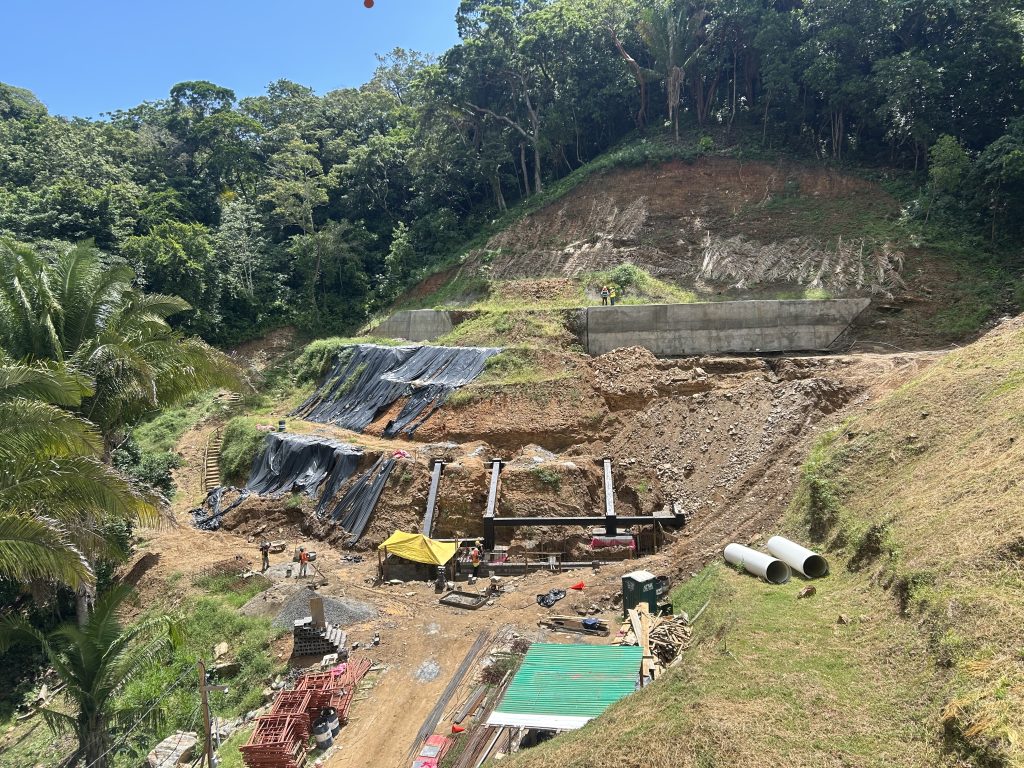
There is a paradox at the heart of the project. Próspera aims to provide a stable institutional environment over the long term, yet the continued existence of that very framework remains contested by the state.
I asked Ivan how this legal uncertainty might affect his property development plans.
“I don’t believe it’s going to be any problem at all,” he replied.
He pointed to international legal protections and the political situation as reasons to believe that the risks to his businesses were low. But that does not mean the dispute has been resolved. Ivan’s assessment remains his own judgement of the risks involved.
Can Free Institutions Alone Make a City?
Ivan was initially drawn to Próspera because he saw potential in its distinctive governance system. Yet it was not the institutions alone that persuaded him to stay.
“I haven’t found such a strong community anywhere.”
He explained that in Próspera, when someone tries to start something, they can find support not only from the governing institutions but also from fellow entrepreneurs and friends around them.
Builders Node emerged from that experience. It seeks to bring new entrepreneurs to Próspera and create an environment in which they can live together and develop their businesses.
“I’m an entrepreneur, and I want to surround myself with people who are as curious as I am. And my goal is to bring them here.”
In libertarian thought, the ability of individuals to choose institutions voluntarily is an important principle. But having the freedom to choose a system of governance is not necessarily the same as being able to build a life within it.
When deciding where to live, people do not compare tax rates and regulations alone. Jobs, housing, friends, family, language, culture and the possibility of becoming part of a community also matter.
This is a consideration that should resonate with those seeking to expand the range of governance choices available in Europe.
Even if a new city offering more liberal regulations and lower taxes were established somewhere in Europe, that alone would not necessarily persuade people to move there.
Such a place would also need people to build homes, create jobs, deliver meals and welcome newcomers into a community.
Próspera’s institutions gave Ivan an opportunity to start businesses. Yet when explaining why he decided to remain there, he pointed to the people around him. Free institutions may provide the starting point for a city. But perhaps it is the people who live within them who ultimately turn those institutions into a place where human beings can build their lives.