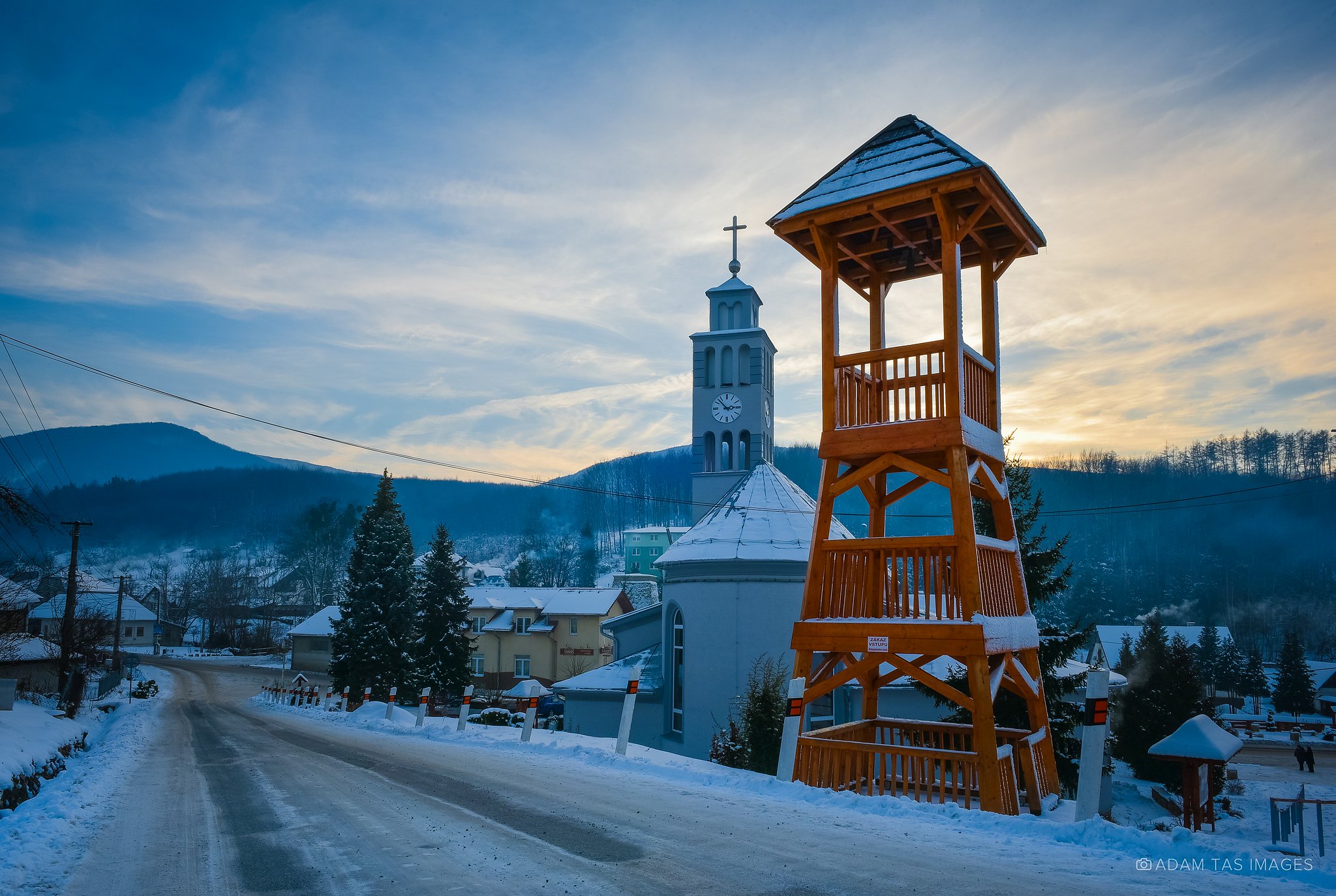
For the libertarian traveler, tourism is rarely about crowded resorts or state-sanctioned monuments. True travel means seeking out spaces that reveal the friction between individual human dignity and the sweeping machinery of central planning.
If you find yourself navigating Central Europe, look past the standard tourist hubs and catch a train to the far eastern edge of Slovakia. Nestled near the borders of Poland and Ukraine lies the Snina region. It is a place of breathtaking natural beauty, ancient beech forests, and dark starry skies, but it also carries the deep scars of state overreach.
The Tragedy of Starina: When the State Monopolises Nature
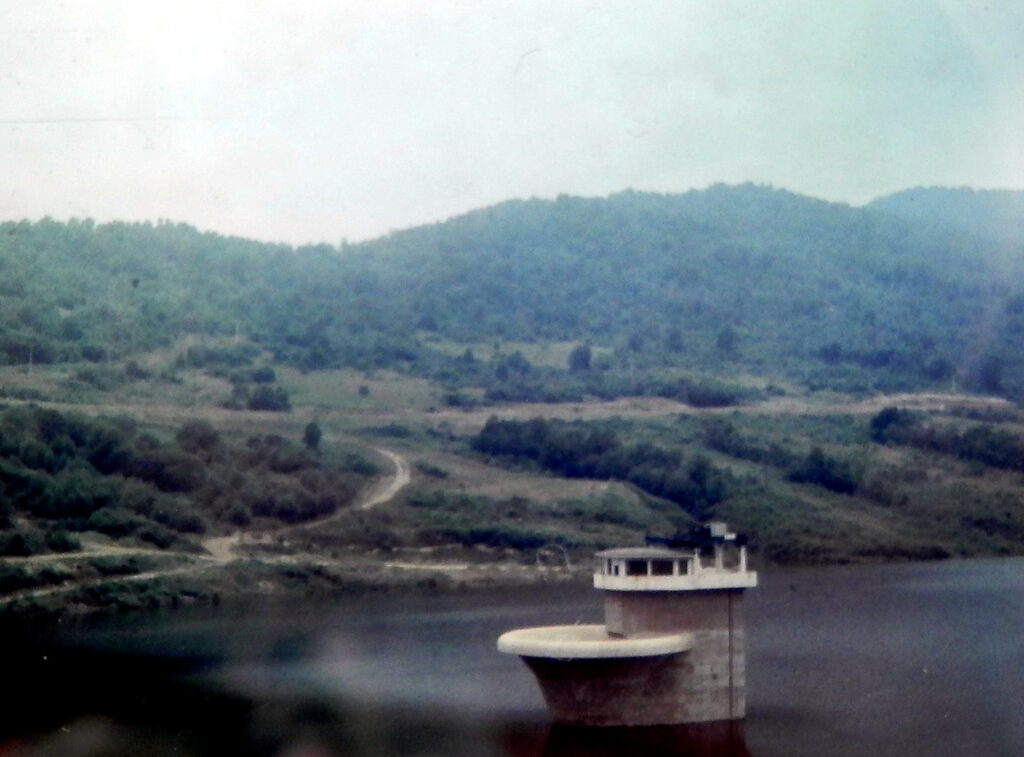
To understand this region, you must visit the Starina Water Reservoir, located just north of the town of Snina. Visually, it is stunning. Smooth, deep blue water sits framed by the rolling peaks of the Poloniny National Park. However, this beautiful view is a product of forced collectivism.
In the 1980s, the Czechoslovak communist government decided that a massive water resource was needed for western cities. The state invoked eminent domain on a catastrophic scale. Seven ancient villages were completely liquidated to clear the valley. Over 3,000 unique inhabitants, primarily of the Rusyn ethnic minority, were ordered to abandon ancestral homesteads, farms, and centuries-old wooden churches.
The government demolished their properties and pushed the families into concrete socialist apartment blocks in the nearby towns of Snina and Humenné. Deprived of their land and traditional rural lifestyle, the displaced Rusyns faced intense pressure to assimilate, and their vibrant language and cultural autonomy began to fade.
This historic injustice mirrors the tragic fate of the Sámi people in Norway, who similarly saw their ancestral lands, waterways, and cultural livelihoods disrupted by state-driven energy projects. It serves as a stark reminder of what happens when central planners view local communities as mere logistical obstacles.
What to Explore in the Region
While the villages are gone, the spirit of the land remains open to those who know what to look for.
- The Poloniny Wilderness: This region holds some of the last remaining primaeval beech forests in Europe. Because it sits on the outer edge of the country, it remains blissfully uncommercialized and offers incredible hiking and cycling with an authentic sense of privacy and absolute isolation.
- The Town of Snina: Walk through the town to see the stark contrast between the traditional wooden architecture of the region and the massive apartment complexes where the displaced populations were forced to build new lives. It is a living exhibit of social engineering.
- The Local Taverns: Skip any mainstream spots and step into the local pubs in Snina or Humenné. Order a glass of local spirits or craft beer, and listen closely. You will still hear the distinct, melodic Rusyn language spoken by the elders, keeping their identity alive through voluntary association and oral history despite decades of institutional erasure.
A Cinematic Prelude
If you are hesitant about making the trek to this remote corner of Europe, watch the award-winning feature film Potopa (The Flood). Directed by Martin Gonda, this powerful historical drama captures the heartbreaking reality of the 1980 displacement, documenting the exact moment a local Rusyn family faces the loss of their heritage to the encroaching waters. It provides the perfect philosophical context before you set foot in the valley.
The Snina district is a beautiful testament to the resilience of the human spirit against state intervention. It is a mandatory stop for any traveller who values liberty and memory over central dictates.
Contribution by: Diana Melničáková
Pictures: “Winter in Zemplínske Hámre” by Adam Tas, CC BY 2.0 & Starina Reservoir, Slovakia. Photo by Slovcoiner via Wikimedia Commons, licensed under CC BY-SA 4.0.
Send us your own forgotten place where the history of liberty can still be found. And explore more in the map below: